Loading…Loading…Loading…Loading…
Country guide
Indonesia, home to the world's largest Muslim population, has made Halal certification a legal obligation. Under Law No. 33 of 2014 on Halal Product Assurance, certificates are issued by a government agency, BPJPH, after an audit by a Halal inspection body such as LPPOM MUI and a ruling on the product's Halal status. The obligation is being phased in by product category, starting with food and beverages.
The wider sharia economy is steered by the National Committee for Sharia Economy and Finance (KNEKS). Bank Indonesia and the Financial Services Authority (OJK) develop and supervise Islamic finance, with fatwas from the National Sharia Board (DSN-MUI), and Bank Indonesia's yearly Indonesia Sharia Economic Festival (ISEF) brings the whole ecosystem together in Jakarta. This guide lists the institutions behind each part, with their pages on Wasabih.
The agency that issues certificates, the inspection body, the religious authority and the ministries involved.
BPJPH - Badan Penyelenggara Jaminan Produk Halal
🇮🇩 Jakarta, Indonesia
BPJPH is Indonesia's official government halal certification agency under the Ministry of Religious Affairs. It is the sole authority for issuing halal certificates in Indonesia.
The bodies that set and drive Indonesia's sharia economy and Halal industry strategy.
Komite Nasional Ekonomi dan Keuangan Syariah (KNEKS)
🇮🇩 Jakarta, Indonesia
Indonesia's National Committee for Sharia Economy and Finance, which coordinates the national strategy for the sharia economy and the Halal industry. Co-organiser of ISEF with Bank Indonesia.
1 event on Wasabih
Bank Indonesia
🇮🇩 Jakarta, Indonesia
Indonesia's central bank. It develops the sharia economy and finance, and organises the Indonesia Sharia Economic Festival (ISEF) with KNEKS.
1 event on Wasabih
Masyarakat Ekonomi Syariah (MES)
🇮🇩 Jakarta, Indonesia
Indonesian Sharia Economic Society, bringing together business, government and academia to develop the sharia economy.
The regulator, the sharia board, the main Islamic banks, industry associations and the stock exchange.
Otoritas Jasa Keuangan (OJK)
🇮🇩 Jakarta, Indonesia
Indonesia's Financial Services Authority, regulating and supervising sharia banks, sharia insurance and the sharia capital market.
Dewan Syariah Nasional - Majelis Ulama Indonesia (DSN-MUI)
🇮🇩 Jakarta, Indonesia
Indonesia's National Sharia Board, which issues the fatwas that govern Islamic finance products in Indonesia.
Bank Syariah Indonesia (BSI)
🇮🇩 Jakarta, Indonesia
Indonesia's largest Islamic bank, formed in 2021 from the merger of three state-owned sharia banks.
Bank Muamalat Indonesia
🇮🇩 Jakarta, Indonesia
Indonesia's first Islamic bank, founded in 1991, offering Shariah-compliant retail, business and corporate banking.
Asosiasi Bank Syariah Indonesia (ASBISINDO)
🇮🇩 Jakarta, Indonesia
Association of Indonesia's sharia banks and sharia business units, representing the Islamic banking industry to regulators and the public.
Asosiasi Asuransi Syariah Indonesia (AASI)
🇮🇩 Jakarta, Indonesia
Association of Indonesia's sharia insurance (takaful) and sharia reinsurance companies, promoting the growth of Islamic insurance.
Indonesia Stock Exchange (IDX)
🇮🇩 Jakarta, Indonesia
Indonesia's stock exchange, with a sharia stock index (ISSI) and sharia trading for investors.
The ministry developing Indonesia's Muslim-friendly tourism.
Professional bodies for Islamic economics.
Jakarta, Indonesia
Tangerang, Indonesia
Tangerang, Indonesia
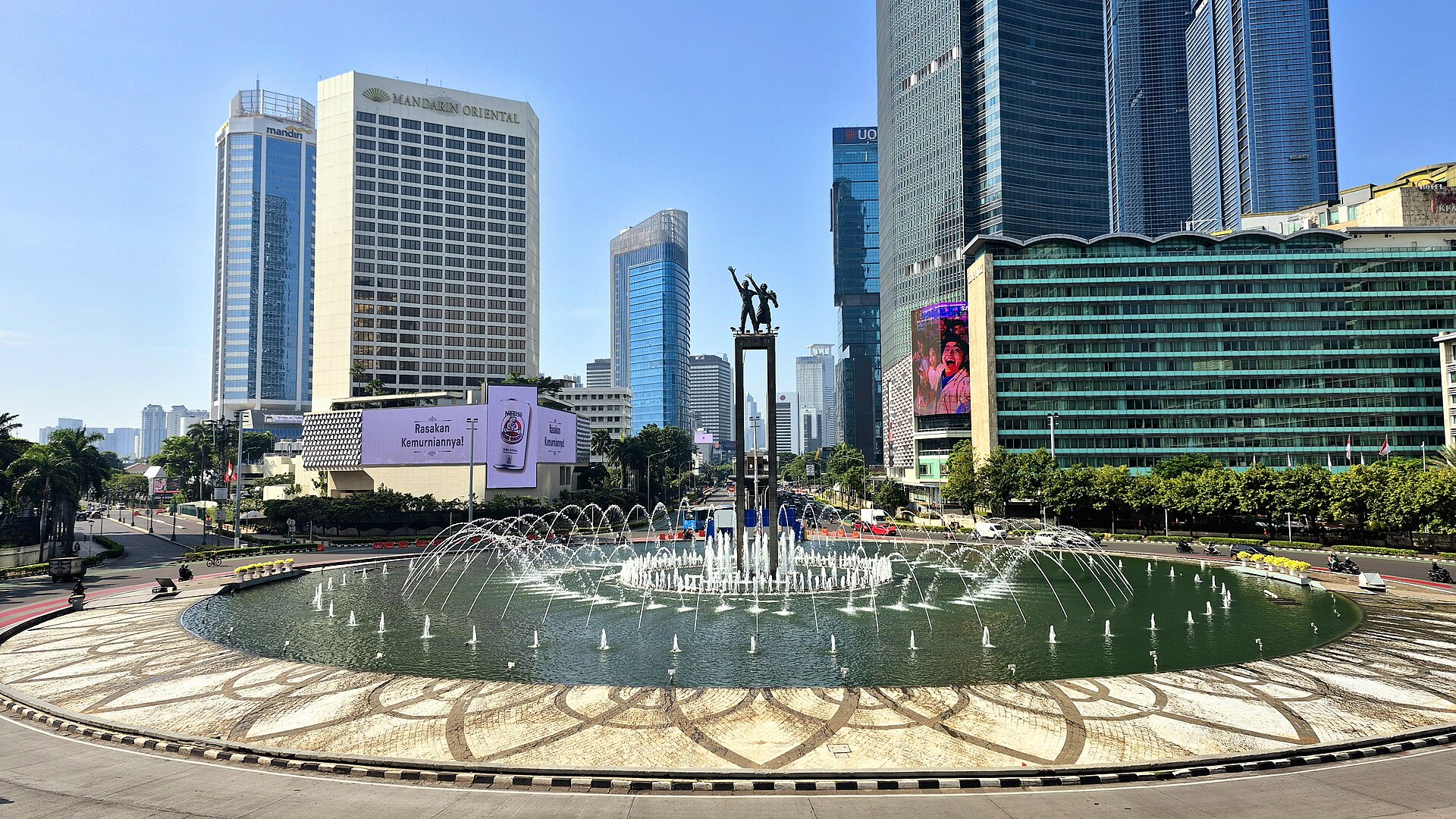
Jakarta, Indonesia
Yes. Law No. 33 of 2014 on Halal Product Assurance requires products that enter, circulate and are traded in Indonesia to be Halal-certified, unless they are declared non-Halal. The obligation is phased in by product category, starting with food and beverages.
BPJPH (Badan Penyelenggara Jaminan Produk Halal), the government's Halal Product Assurance Organizing Agency. A Halal inspection body (LPH) such as LPPOM MUI audits the product first, and its Halal status is then ruled on before BPJPH issues the certificate.
MUI (Majelis Ulama Indonesia) is the Indonesian Council of Ulama. LPPOM MUI is its Halal assessment institute, which audits products and companies. BPJPH is the government agency that issues the Halal certificate.
The Financial Services Authority (OJK) regulates and supervises sharia banks, sharia insurance and the sharia capital market. Bank Indonesia develops sharia finance and payments, and the National Sharia Board (DSN-MUI) issues the fatwas that products must follow.
The National Committee for Sharia Economy and Finance (Komite Nasional Ekonomi dan Keuangan Syariah), which coordinates Indonesia's national strategy for the sharia economy and the Halal industry.
The Indonesia Sharia Economic Festival, Indonesia's largest sharia economy event, organised every year by Bank Indonesia with KNEKS, with a forum, an exhibition and business matching.
Companies, certifiers and associations from Indonesia with a page on Wasabih.
Part of the Halal economy in Indonesia?
Claim your organisation's page, or add it for free, to appear in this guide and in business matching.