 Loading…Loading…Loading…Loading…
Country guide · OIC member state
Iran is one of the few countries whose whole banking system is meant to be Islamic. The Law for Usury-Free Banking, approved in 1983, replaced fixed interest with profit-sharing and other Islamic contracts, and obliges banks to set aside part of their resources for interest-free loans (qard al-hasan). The Central Bank of Iran supervises the system.
Halal certification of Iranian exports is issued by the national standards body, the Institute of Standards and Industrial Research of Iran (ISIRI, now the Iranian National Standards Organization). Tehran hosts the country's main food industry fair, Iran Agrofood, every spring. This guide lists the institutions behind each part, with their pages on Wasabih.
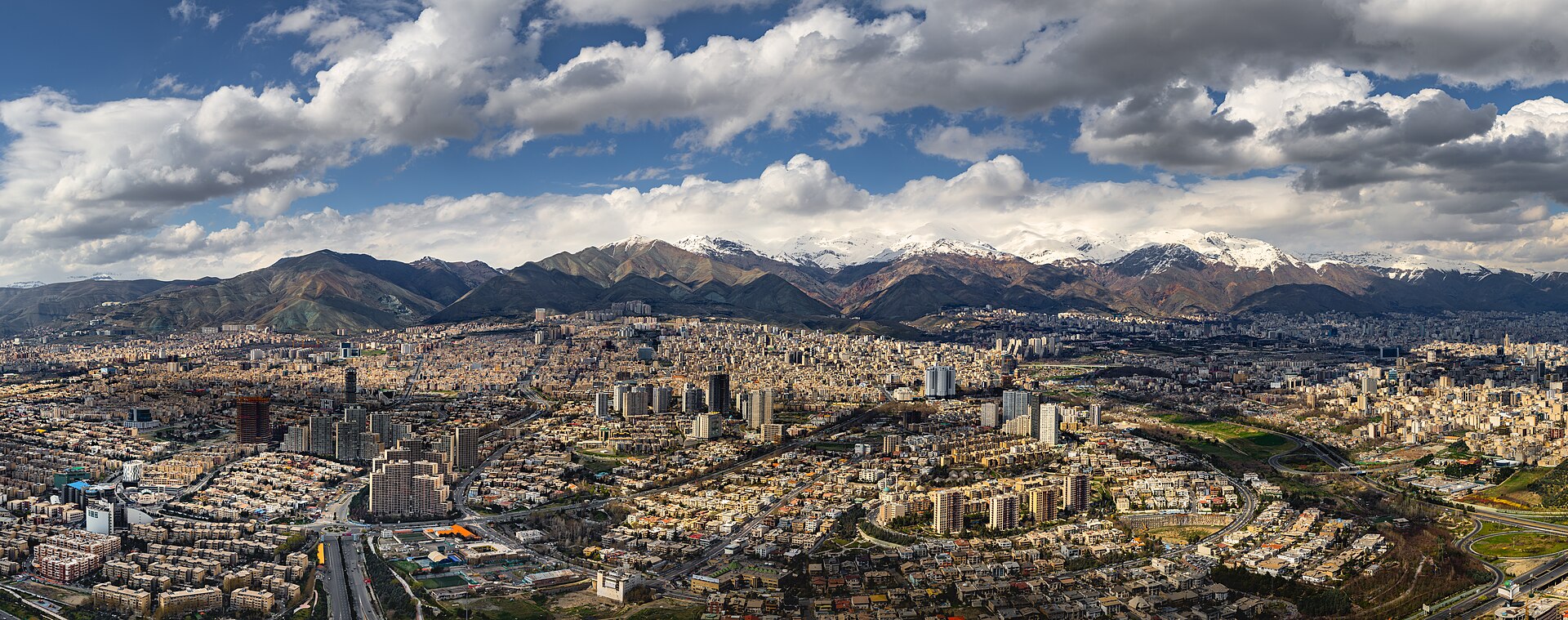
Photo: Tehran · Amir Pashaei · CC BY-SA 4.0, via Wikimedia Commons (cropped)
Tehran, Iran
Yes, by law. The Law for Usury-Free Banking of 1983 requires banks to work without interest, using profit-sharing and other Islamic contracts, and to set aside part of their resources for interest-free qard al-hasan loans.
An interest-free loan. Iran's 1983 banking law defines a gharz-al-hasaneh loan as an interest-free loan extended by a bank to a person or company for a definite period, and banks must reserve part of their resources for them.
Halal certificates for Iranian export products are issued by the national standards body, the Institute of Standards and Industrial Research of Iran (ISIRI), now the Iranian National Standards Organization.
The Central Bank of Iran (Bank Markazi) regulates and supervises the banks under the Law for Usury-Free Banking and the Monetary and Banking Law.
Iran's main international food and agriculture trade fair, held every spring in Tehran. Its upcoming editions are listed below with the other Halal events in Iran.
Companies, certifiers and associations from Iran with a page on Wasabih.
Part of the Halal economy in Iran?
Claim your organisation's page, or add it for free, to appear in this guide and in business matching.