 Loading…Loading…Loading…Loading…
Country guide · OIC member state
Uzbekistan, the most populous country of Central Asia, treats Halal certification as voluntary, though it is widely sought for food. The national standards body, UZSTANDARD, joined SMIIC, the OIC's standards institute, at the end of 2019, and the country adopted OIC/SMIIC 1:2019 on Halal food as a national standard. Halal certificates from the exporting country are accepted for imports.
Islamic finance is new: a law signed on 27 March 2026 and in force since 29 June 2026 gives Islamic financial instruments legal standing, lets the Central Bank set Islamic finance rules with its own council, and requires banks offering Islamic services to have Shariah councils. This guide lists the institutions behind each part, with their pages on Wasabih.
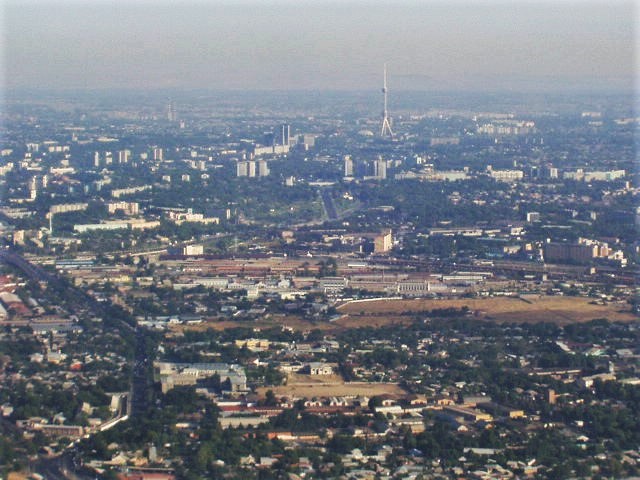
Tashkent, Uzbekistan
No. Halal certification is voluntary in Uzbekistan, though it is widely sought, especially for food products.
Uzbekistan adopted OIC/SMIIC 1:2019, General Requirements for Halal Food, as a national standard after its standards body UZSTANDARD joined SMIIC at the end of 2019.
Yes. Halal certificates issued in the exporting country are accepted, and there is no additional Halal requirement for imports.
Yes, since 29 June 2026. The law on Islamic banking (ЎРҚ-1126), enacted on 27 March 2026, recognises Islamic financial instruments and lets the Central Bank set the rules.
The Central Bank sets up a Council for Islamic Finance under its authority, and each bank offering Islamic services must have its own Shariah council.
Companies, certifiers and associations from Uzbekistan with a page on Wasabih.
Part of the Halal economy in Uzbekistan?
Claim your organisation's page, or add it for free, to appear in this guide and in business matching.