 Loading…Loading…Loading…Loading…
Country guide · OIC member state
In Tunisia, Halal certification is run by the national standards body, the Institut National de la Normalisation et de la Propriété Industrielle (INNORPI), together with Dar El Ifta, the country's official religious authority. INNORPI audits production from raw materials to packaging, and Dar El Ifta validates the religious side. The scheme, under an agreement signed in 2013, issues renewable three-year Halal certificates, mainly to food exporters.
Tunisia hosted the 15th SMIIC technical committee week in September 2026, when INNORPI and the Saudi Halal Center discussed mutual recognition of Halal certificates to ease access to Gulf markets. Islamic banking is offered by banks such as Zitouna Bank and Al Baraka Bank Tunisia. This guide lists the institutions behind each part, with their pages on Wasabih.
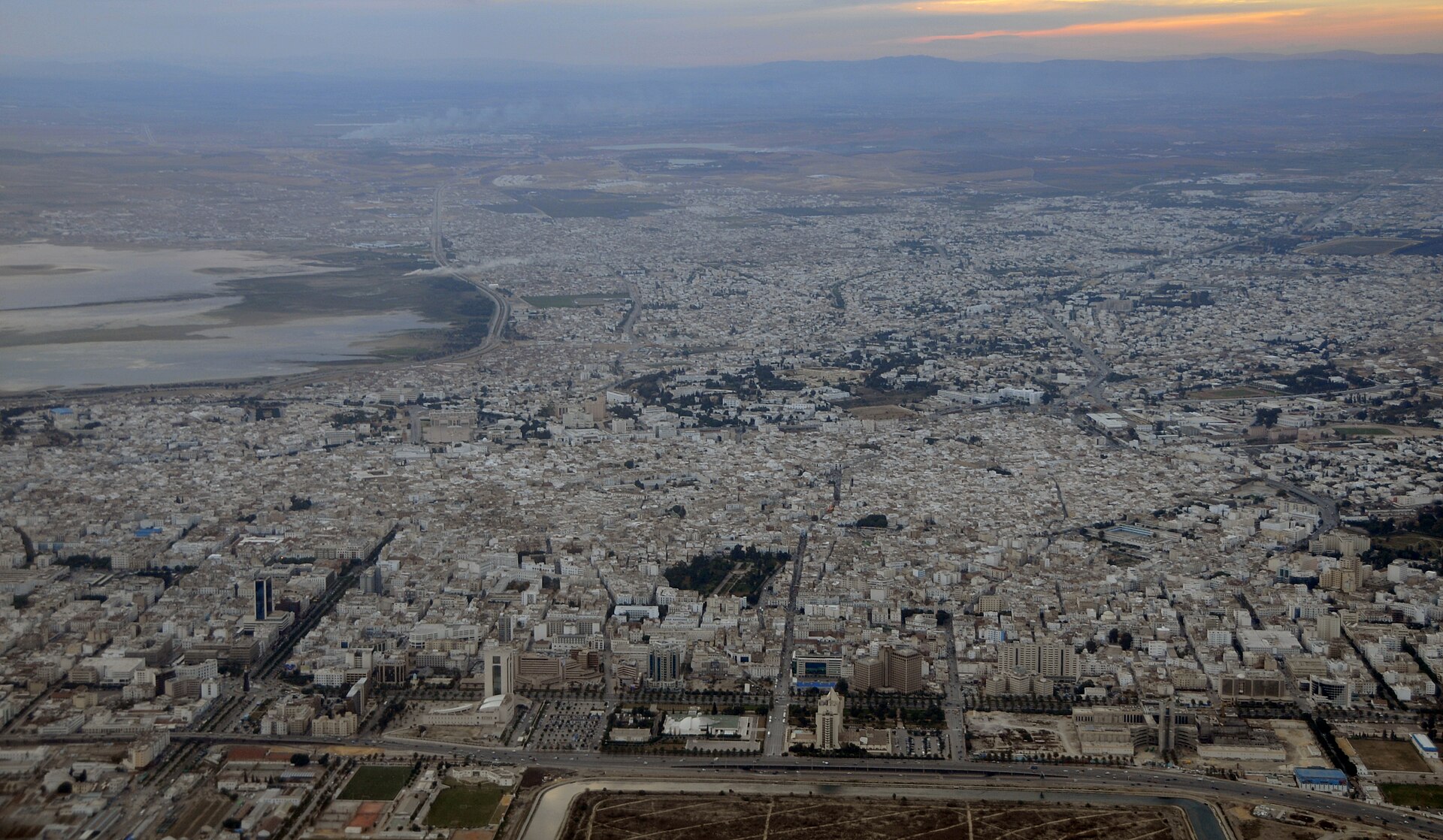
Photo: Tunis · Citizen59 from Tunis, Tunisie · CC BY-SA 2.0, via Wikimedia Commons (cropped)
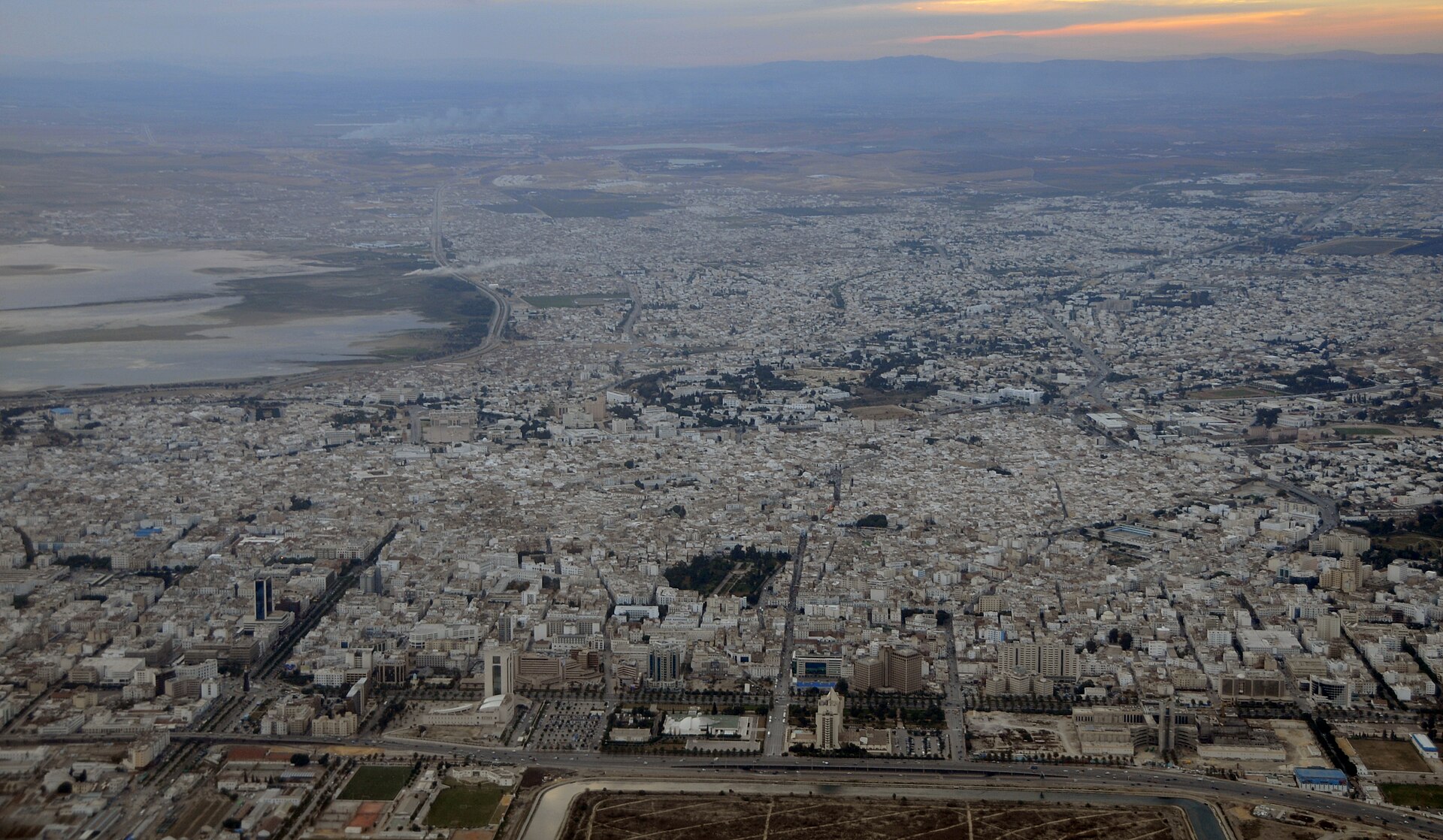
Tunis, Tunisia
INNORPI, the national standards body, certifies Halal products together with Dar El Ifta, which validates the religious side of each certification.
INNORPI's Halal certificates are valid for three years and can be renewed.
Dar El Ifta, Tunisia's official religious authority, reviews INNORPI's technical report, takes part in the visit to the company and validates the religious side of the Halal certification.
INNORPI and the Saudi Halal Center discussed a mutual recognition mechanism in September 2026. Until an agreement is in place, exporters should check the Saudi Halal Center's list of approved certification bodies.
Yes. Zitouna Bank, which opened in 2010, and Al Baraka Bank Tunisia offer Islamic banking, and Tunisian banking law recognises Islamic banking operations.
Part of the Halal economy in Tunisia?
Claim your organisation's page, or add it for free, to appear in this guide and in business matching.