 Loading…Loading…Loading…Loading…
Country guide · OIC member state
Libya chose in 2013 to move its whole economy away from interest. Law No. 1 of 2013 prohibits riba in civil and commercial transactions: it applied from the start of 2013 for individuals and was due to apply to companies from 2015, a date the House of Representatives later postponed. Libyan banks have since been converting to Islamic finance under the Central Bank of Libya, a slow process during the country's political and monetary crises.
In everyday trade, Libya is a Muslim-majority market where food is expected to be Halal, and imports come through fairs such as Libya Food Expo in Tripoli. This guide lists the institutions behind each part, with their pages on Wasabih.
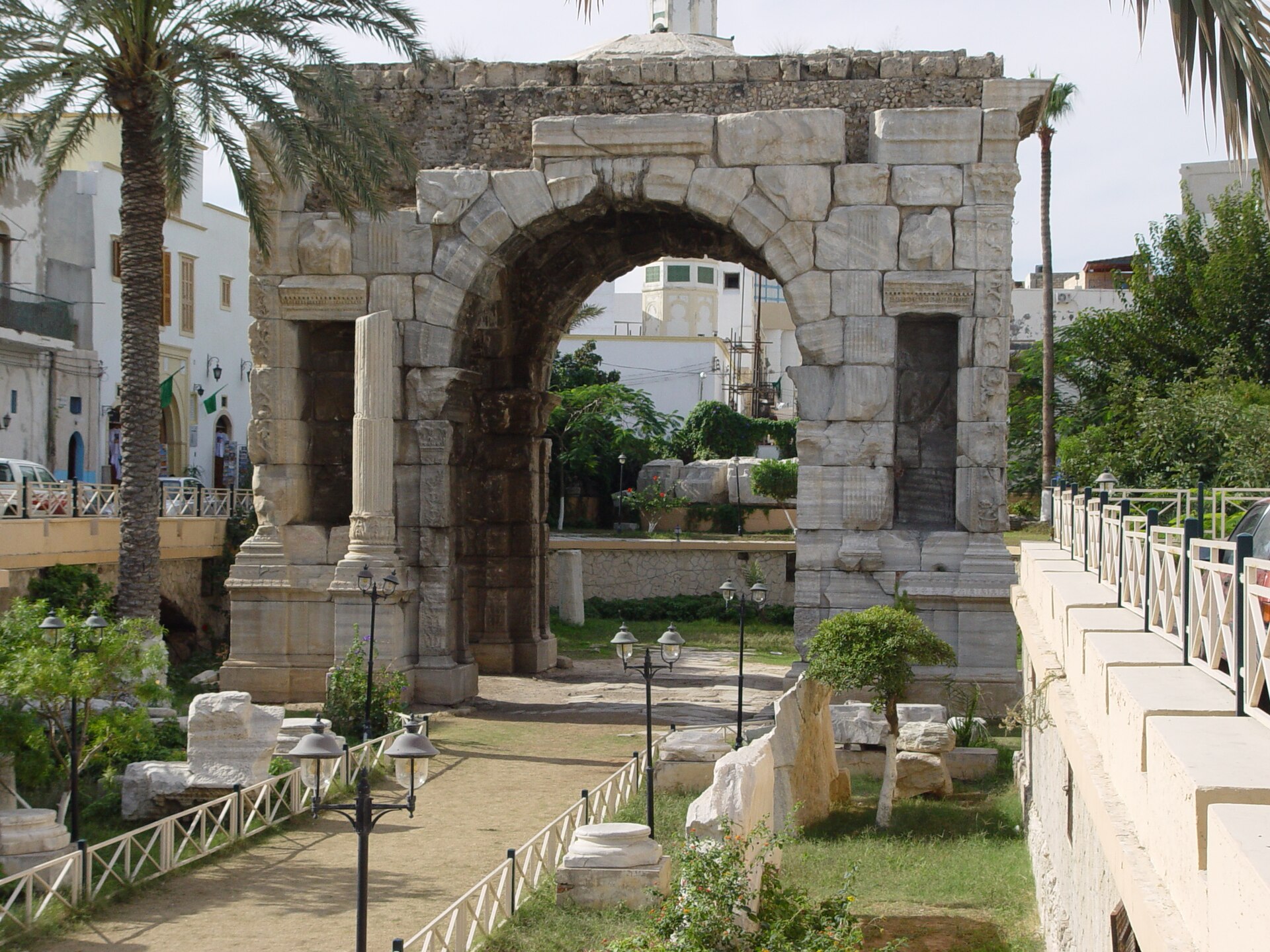
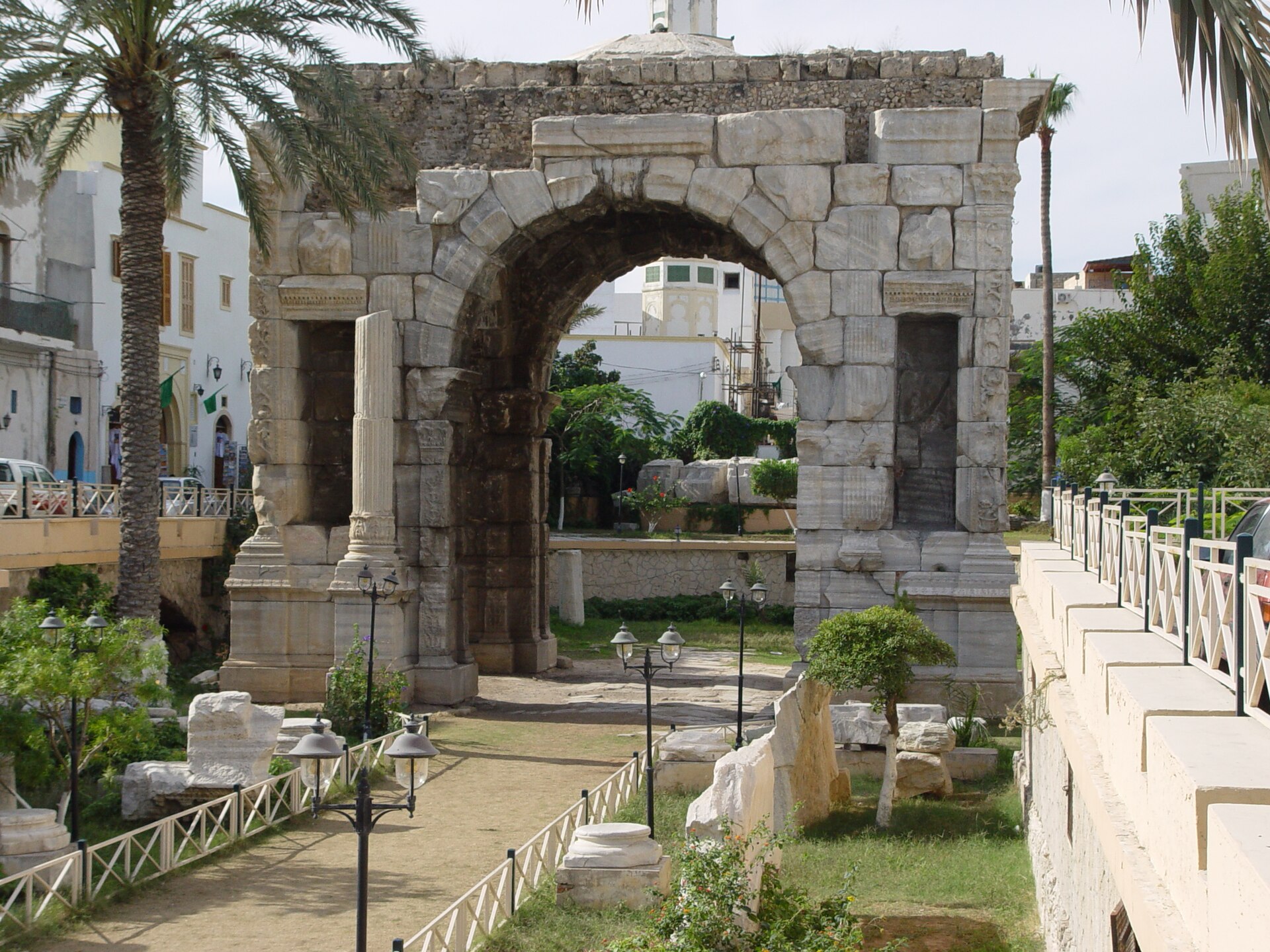
Photo: Tripoli · Daniel and Kate Pett · CC BY 2.0, via Wikimedia Commons (cropped)
Tripoli, Libya
Yes, in principle. Law No. 1 of 2013 prohibits interest in civil and commercial transactions. It applied to individuals from 2013; its application to companies was postponed by Law No. 7 of 2015.
Libyan banks have been converting to Islamic finance since the 2013 law banning interest, under the supervision of the Central Bank of Libya, but the conversion has been slow and is still under way.
In a ruling of 16 June 2019, the Supreme Court treated Law No. 1 of 2013 as in force, while still allowing a delay fine under Article 229 of the Civil Code.
Libya is a Muslim-majority market and meat and food products are expected to be Halal. Exporters should confirm the current certificate requirements with their Libyan importer and the Libyan authorities before shipping.
At trade fairs such as Libya Food Expo in Tripoli. Its upcoming editions are listed below with the other events in Libya.
Part of the Halal economy in Libya?
Claim your organisation's page, or add it for free, to appear in this guide and in business matching.